Pest Behavior • June 19, 2026
What Attracts Cockroaches to a Clean House?
The frustrating truth: cockroaches don't care how clean your kitchen is. Here's what they actually respond to — and why even meticulous homes get infestations.
SP
Sydney Pardey
Owner, Al & Sons Termite and Pest Control
7 min readUpdated June 19, 2026
CockroachesPest BehaviorPreventionSoCal Homeowner
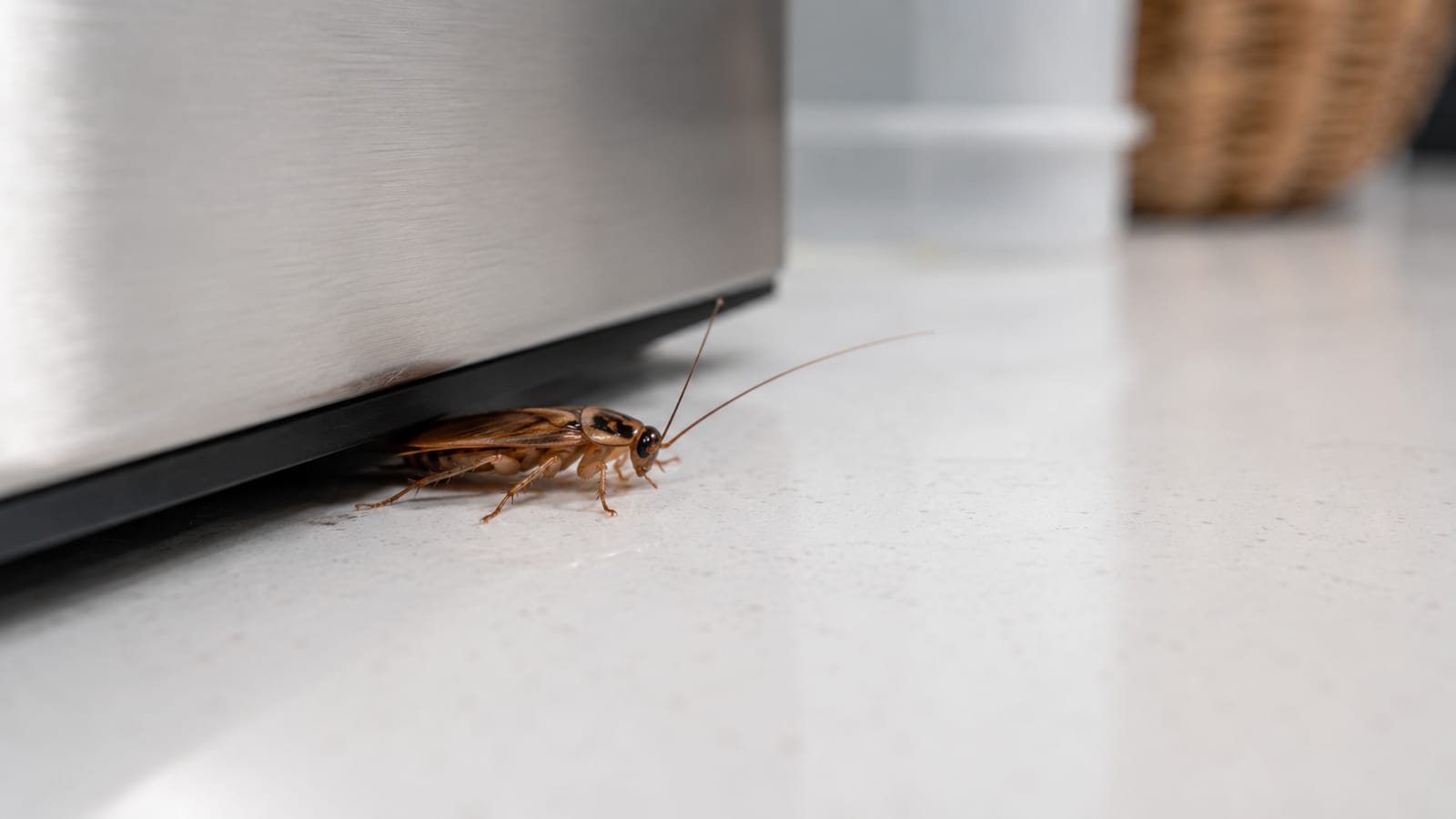
Few pest control conversations come with as much shame attached as cockroaches. The cultural assumption is that cockroaches mean a dirty house — that if you have them, you must be doing something wrong with cleanliness, food storage, or general housekeeping. Homeowners across Southern California call us in genuine distress, often whispering, often apologizing for the state of their home before we've even seen it. And then we get there, and the home is spotless. Counters wiped down. Dishes done. Food sealed. Floors mopped. Cockroaches anyway.
The myth that cockroaches mean a dirty house is one of the more harmful misconceptions in residential pest control. It's not just inaccurate — it actively prevents people from seeking help, because the shame of the perceived judgment is worse than the cockroaches themselves. The actual biology is more nuanced, and the conditions that attract cockroaches to a home have a lot less to do with daily cleanliness than most people assume.
Quick Answer
What attracts cockroaches to a clean house in Southern California?
Cockroaches are attracted to four things, in order of importance: moisture, warmth, shelter (tight harborage spaces), and food. A meticulously clean kitchen with a slow plumbing leak under the sink is significantly more attractive to cockroaches than a messy kitchen with no moisture issue. Common reasons clean homes get cockroaches: hitchhiking in grocery bags, shipping boxes, or used appliances; migration from neighboring units in multi-family housing; plumbing pathways from sewer lines; humid microclimates in coastal SoCal; and seasonal pressure from outdoor populations. Cleanliness reduces the food signal, but it doesn't eliminate moisture, warmth, or harborage — which is what cockroaches actually need.
The Short Version
- Cockroaches need moisture, warmth, shelter, and food — in that order of priority.
- A clean kitchen with a slow leak is more attractive than a messy kitchen without one.
- Hitchhiking in grocery bags, shipping boxes, and used appliances is a major source of introductions.
- Multi-family housing creates migration pathways that individual unit cleanliness can't control.
- Coastal SoCal humidity supports cockroach populations even in tidy homes.
- Identifying the attractant matters far more than scrubbing harder — and professional treatment is the only reliable fix.
What cockroaches actually want
What Cockroaches Actually Want
To understand why a clean house can still get cockroaches, you have to start with what cockroaches actually need to live. Different species have slightly different preferences, but for the two species SoCal homeowners encounter most — German and American cockroaches — the priority list is the same:
Water first.
Cockroaches can survive weeks without food but only days without water. The hierarchy of cockroach preferences puts moisture at the top, and any consistent moisture source in a home is a powerful attractant. A dripping pipe under a sink. Condensation on cold water lines. A leaky toilet wax ring. A perpetually wet bath mat. These aren't just minor issues — for cockroaches, they're the reason to live in your house.
Warmth.
Cockroaches are tropical insects that thrive at temperatures between 70°F and 90°F. They're drawn to the warm motor compartments of refrigerators and dishwashers, the heat-producing components of TVs and game consoles, and the consistently warm spaces near hot water lines and HVAC ducting. In Southern California's mild climate, the entire home is essentially within their comfort range year-round — part of why we have a year-round cockroach problem rather than a seasonal one.
Tight harborage.
Cockroaches feel safe when they're touching surfaces on multiple sides — back, belly, and one side or top. That means cracks, gaps, and tight spaces are powerful attractants. The space behind a refrigerator. The gap inside a dishwasher housing. The cavity behind a wall outlet. The space between a cabinet toe-kick and the floor. Open, exposed surfaces are not attractive to cockroaches. They want to be hidden and contained.
Food, last.
Food matters, but it's the fourth priority. Cockroaches will eat almost anything organic — crumbs, grease, pet food, soap residue, glue from cardboard, hair, even other dead cockroaches — but they don't choose homes based on food. They choose homes based on water, warmth, and shelter, and then they find food once they're there. A spotless kitchen that has eliminated visible food sources hasn't eliminated the actual reason cockroaches are present.
The central insight
Cleanliness primarily addresses the lowest-priority attractant. The three higher-priority needs — water, warmth, harborage — are largely structural and environmental, and they're unaffected by how many times you wipe down the counters. This is why meticulous homes still get cockroaches, and why scrubbing harder isn't the solution.
How cockroaches get in
How Cockroaches Get Into a Clean House
There are four primary pathways cockroaches use to establish in homes that are otherwise well-maintained. Knowing which one is operating in your situation is what a professional uses to determine the right approach.
Hitchhiking on incoming items.
This is one of the most common and least-discussed introduction routes for German cockroaches. The species is small enough to ride into a home undetected in grocery bags, shipping boxes, secondhand furniture, used appliances, and luggage. Grocery store warehouses are well-documented German cockroach habitats — a single egg case attached to the corner of a cereal box, a tucked-away crevice in a paper grocery bag, or hidden inside the seams of a cardboard shipping box can introduce a starter population to your kitchen. Used appliances are a particularly high-risk vector — a secondhand refrigerator or microwave can contain established cockroach harborage in the motor compartment and wiring channels.
Migration from neighboring units in multi-family housing.
If you live in an apartment, condo, townhouse, or any structure that shares walls with neighbors, cockroach control is fundamentally a building-level problem rather than a unit-level one. German cockroaches travel through wall voids, shared plumbing chases, electrical conduits, and HVAC pathways. Your immaculately clean unit can be receiving constant migration from a neighboring unit you've never seen and have no control over. This is one of the most frustrating situations homeowners face because individual cleanliness genuinely cannot solve it — the fix requires coordinated treatment across multiple units.
Plumbing and drain pathways.
American cockroaches in particular use plumbing systems as travel routes. Sewer lines connect to homes through traps that maintain water seals against insect movement, but those seals can dry out — particularly in infrequently-used drains like guest bathroom showers, laundry room floor drains, or seasonal homes where water hasn't run through certain fixtures for weeks. A dried-out trap is a direct sewer-to-home pathway. This is why a meticulously clean bathroom can have American cockroach sightings while the rest of the home is unaffected.
Coastal humidity and environmental conditions.
The marine layer that defines coastal Southern California creates background humidity levels that support cockroach populations across the entire region. Homes near the beach in Manhattan Beach, Hermosa Beach, Redondo Beach, Venice, and Marina del Rey operate at consistently higher humidity than inland areas — which means the cockroach-favorable moisture conditions exist environmentally, not just from specific household leaks. In these conditions, even genuinely well-maintained homes can support populations because the environmental moisture provides what indoor leaks would provide in drier climates.
What to investigate
The Specific Conditions Worth Investigating in a "Clean" Home
If you have cockroaches and your home is genuinely clean, a professional inspection will be looking for one or more of these specific conditions:
Plumbing leaks you haven't found yet
Slow drips inside cabinets, condensation forming on cold water lines, leaking toilet wax rings, slow drain leaks under sinks, dishwasher hose seepage, water heater drip pans. Many of these don't produce visible water damage but maintain a consistently humid microclimate that's exactly what cockroaches want.
Drains with dried-out or compromised traps
Infrequently-used drains — guest bathroom, basement sink, laundry room floor drains — develop dried traps when water hasn't run through them. A dried-out trap is a direct sewer pathway that's invisible until you address it.
Pet water bowls and aquariums
A water dish refilled daily provides exactly the moisture profile cockroaches seek. So do uncovered fish tanks, evaporating reptile enclosure water, and humidifiers running overnight.
Cardboard storage in dark spaces
Stored cardboard boxes — particularly under sinks, in garage cabinets, or in pantry corners — provide both harborage and a food source (the glue in cardboard is organic). The cleanest kitchen with a pile of cardboard moving boxes under the sink is unintentionally hosting cockroaches.
Appliances on counters and in cabinets
The motor compartments of toasters, coffee makers, microwaves, and food processors stay warm and contain harborage. Pulling appliances out and checking behind and inside them is part of what professional inspections do.
The space behind built-ins
The cavity behind a built-in refrigerator, a wall oven, or a behind-the-cabinet space is typically inaccessible to cleaning. The kitchen surface visible to you can be immaculate while the cavity behind it harbors a population.
Why this matters beyond cleanliness
Why This Matters Beyond the Cleaning Question
The deeper consequence of the "cockroaches mean a dirty house" myth is that it prevents people from getting help. Homeowners who would call promptly about ants or termites delay calling about cockroaches because they're embarrassed. They scrub harder. They buy retail sprays. They convince themselves it's getting better. Meanwhile the population continues to grow — and German cockroaches grow fast, with development cycles as short as six weeks in warm SoCal kitchens.
By the time the embarrassment passes and the homeowner finally calls, the infestation is significantly worse than it would have been at the first sighting. Larger populations are harder and more expensive to control, take longer to clear, and produce significantly more allergen load during the process. The cultural shame around cockroaches doesn't just hurt mental health — it tangibly worsens the outcomes.
For the record, professional pest control operators see cockroaches in homes across every income level, every neighborhood, and every cleanliness standard. We see them in pristine multimillion-dollar homes in Palos Verdes and in tidy apartments in Long Beach. We see them in homes where the owners genuinely had no idea how they got there. We don't judge — we identify what's actually happening and address it. That's the job.
The health consideration
The Other Health Consideration
Beyond the personal frustration of having cockroaches in an otherwise well-maintained home, German cockroaches specifically are a documented health concern worth addressing promptly regardless of how the introduction happened. Cockroach allergens — proteins in their shed skins, droppings, and saliva — become airborne and accumulate in indoor air over time. They're one of the most extensively documented indoor asthma triggers, particularly for children. Studies in urban environments, including in California, have found significant correlations between household cockroach allergen levels and childhood asthma development.
This means that whatever the introduction route — hitchhiking, neighbor migration, plumbing pathway, environmental humidity — the right response is the same: get a professional in, identify the species and what's supporting them, and address it with treatment that reaches the actual harborage population. The longer the population persists, the more allergen load accumulates and the more potential health impact, particularly in homes with children.
Cockroaches in a clean house?
Al & Sons has been treating cockroach infestations across the South Bay and greater Los Angeles since 1960. We treat homes at every level of cleanliness — what we focus on is identifying the actual cause and treating it correctly. If you've been hesitant to call because the house "shouldn't" have cockroaches, that's exactly the situation we handle most often. No judgment, just diagnosis.
Common questions
Clean House Cockroach FAQs
Common questions from Southern California homeowners about why cockroaches appear in clean homes.
Q
My house is spotless. Why do I have cockroaches?
A
Because cleanliness primarily addresses food, which is the lowest-priority of cockroach needs. Cockroaches prioritize water, warmth, and shelter first — and those are largely structural and environmental conditions that cleaning doesn't address. The most likely sources in a clean home are a plumbing leak you haven't found, a dried-out drain trap, hitchhiking on incoming items (especially used appliances or recent shipping boxes), migration from a neighboring unit in multi-family housing, or background humidity in coastal climates. The presence of cockroaches isn't a reflection on your housekeeping — it's a signal there's a condition a professional can identify and fix.
Q
Can I prevent cockroaches just by keeping things clean?
A
To some extent — cleanliness reduces the food signal and removes one component of what supports a population. But it doesn't address moisture sources, warmth from appliances and plumbing, harborage from cracks and gaps in the structure, or environmental humidity. The most effective prevention combines cleanliness with professional perimeter service that addresses the higher-priority attractants before a population establishes.
Q
I just moved into a new place and started seeing cockroaches. Did I bring them with me?
A
Possibly, but more often the cockroaches were already there. Many homes have low-level cockroach populations that the previous occupants either didn't notice or didn't disclose. Once a new resident moves in, changes in food storage patterns, plumbing use, and household activity often trigger the existing population to become more visible. Used appliances brought from the previous home are also a common introduction route. Either way, a professional inspection and treatment program is the right next step.
Q
How do cockroaches get into apartments and condos that are clean?
A
Through wall voids, shared plumbing chases, HVAC pathways, and electrical conduits that connect units. In multi-family housing, your individual cleanliness has limited impact because cockroaches travel between units through structural pathways you can't seal yourself. This is why coordinated building-level treatment is so much more effective than individual unit treatment — and why raising the issue with property management for building-wide service produces better results than continuing to treat your unit in isolation.
Q
Will my cockroach problem go away if I just keep cleaning more thoroughly?
A
For an established German cockroach infestation, no. The population lives in harborage zones that cleaning doesn't reach — inside wall voids, behind appliances, in cabinet cavities — and it's sustained by moisture and warmth that cleaning doesn't address. The right approach is professional identification of the species and the attractants specific to your home, followed by gel bait treatment in the actual harborage locations. Continued cleaning is good practice but won't resolve an existing infestation on its own.
Related Reading
- German cockroaches vs. American cockroachesHow to tell which species you have and why treatment differs.
- Why isn't my pest control working? 7 reasons treatments failWhy DIY cockroach control often fails.
- Protecting your kids from pestsCockroach allergens and childhood asthma.
- Our general pest control serviceHow professional cockroach treatment actually works.
- German cockroach pest libraryBiology, behavior, and habitat.
- Cockroaches pest libraryThe full cockroach category for SoCal homeowners.
SP
About the Author
Sydney Pardey·Owner, Al & Sons Termite and Pest Control
SPCB Field Representative License No. FR 72134SPCB Company License No. 10102
Sydney Pardey is the owner of Al & Sons Termite and Pest Control, a family-owned pest control company serving the South Bay and greater Los Angeles area since 1960. All content is written from direct operational experience and reviewed against current California Structural Pest Control Board standards.
Our LegacyServing Southern California
Serving Southern California
Since 1960.
Al & Sons is more than a business—it's a family legacy. For over 60 years, we've been local neighbors, committed to serving our community across Southern California with the same integrity and care when the business was started in 1960.
100%
Family Owned
SoCal
Local & Dedicated